Effectively monitor and manage distribution leaks, and improve customer satisfaction.
What is non-revenue water?
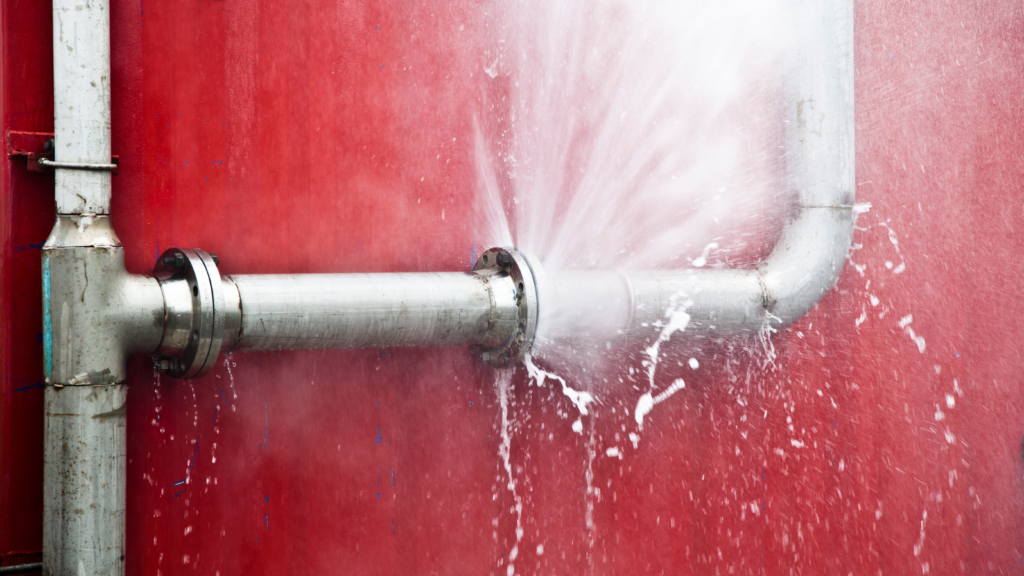
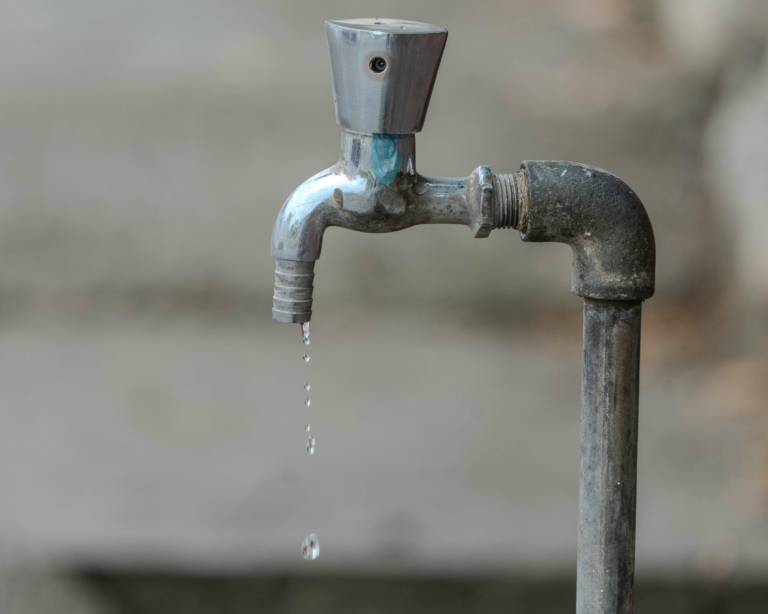
Non-revenue water (NRW) is water that a utility produces and pays to treat and transport but never gets paid for. It includes water lost through leaks, theft, metering errors, or unbilled use. For water utilities and related businesses, this creates several major financial and operational problems:
Direct revenue loss
Higher operating costs
Infrastructure damage and maintenance costs
Reduced investment capacity
Regulatory and reputation risks
Environmental and resource waste
Non-revenue water is like a store buying inventory that gets lost before it reaches customers. The business pays for the product but never makes a sale. Mountain States can help your utility prevent this, and stop it when it happens.
Strategies for mitigating non-revenue water
This white paper focuses on the causes and repercussions of Non-Revenue Water (NRW), assessing measurement techniques, presenting strategies for water utilities to minimize and manage NRW, and highlighting the problems utilities face after running a water audit.
Making every drop of an increasingly scarce resource count
The AMI Essentials water management solution engages customers, detects leaks and reduces water losses.
AMI Essentials Water
AMI Essentials for water, powered by Temetra®, is a bundled, cellular AMI solution, optimal for utilities with less than 200,000 metering endpoints.
The AMI Essentials solution offers everything you need to benefit from the efficiencies and operational cost savings of AMI based utility services, while laying the groundwork to support emerging industry needs and future use cases.
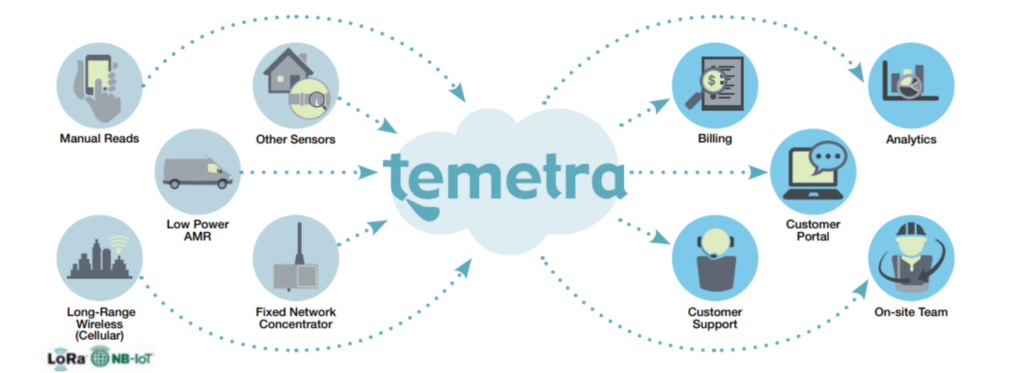
Temetra® is an advanced meter data collection and management solution supporting a wide range of meters and data collection methods.
It enables the collection and storage of accurate usage data through manual meter reads, drive-by or walk-by AMR or AMI. Temetra can accommodate your customer base, no matter its size:
Secure, cloud-based architecture
Supports a wide variety of meters
Intensive usage of map-based features to help you understand your network
Detailed audit trail to ensure full traceability of your assets
In addition to providing insights for utilities to prioritize their short/long-term investment strategies by identifying causes of NRW within their distribution networks, Temetra® Analysis also provides:
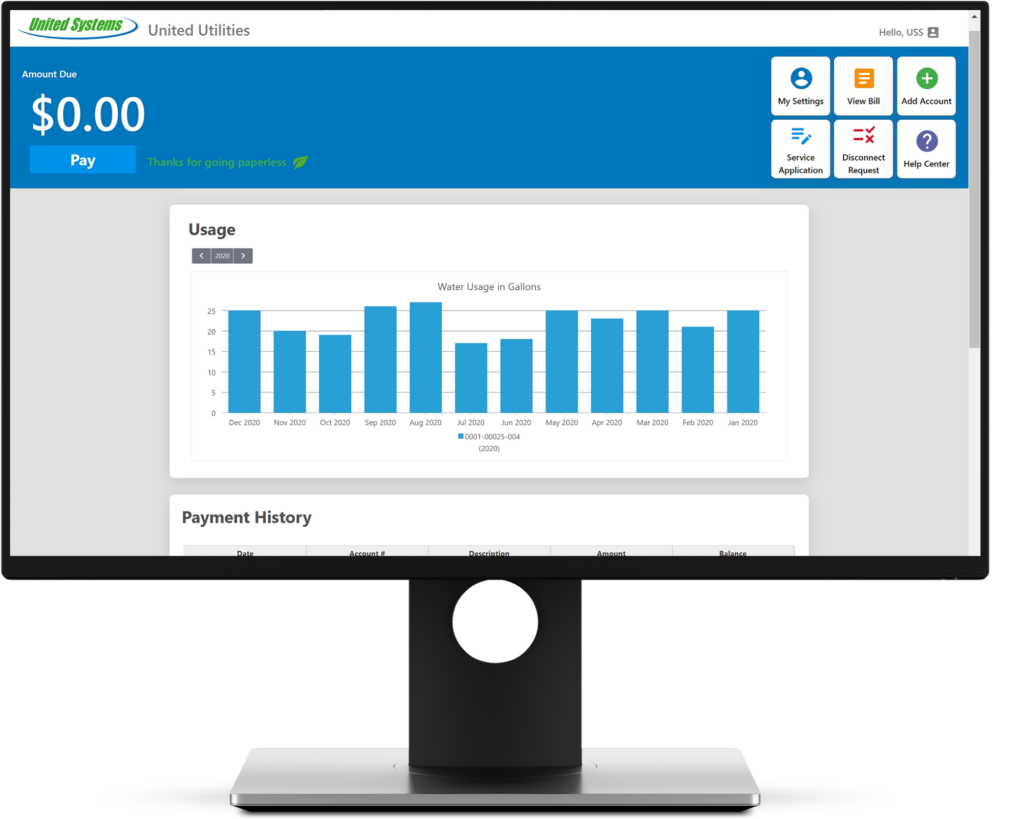
Improve customer satisfaction and awareness by enabling customer cost-savings. The Customer Web Portal allows you to proactively inform your customers of abnormal usage, thereby reducing billing complaints. In addition, customers can monitor their usage over time, allowing them to take steps to reduce their monthly bill.
Temetra® Web Portal Access
Customer Set Alarms
Location Map
Consumer Empowerment
The platform encourages consumer awareness of leaks and water consumption behaviors. Utility-initiated contacts are reduced due to timely consumption data as well as historic data and early alerts.
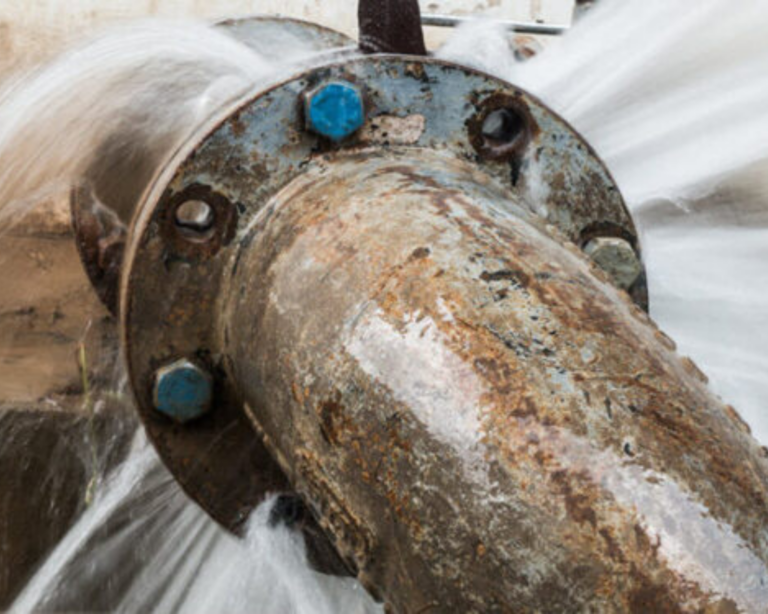
Effectively monitor and manage distribution leaks within a water distribution network.
Fluid Conservation Systems (FCS) offers a comprehensive range of acoustic leak sensors, detection solutions, and distribution pressure monitoring, specializing in water network monitoring. Their portfolio includes acoustic ground microphones, correlation loggers, and automated sensors that detect leaks by identifying noise from underground pipe leaks.
Leak detection software allows you to identify and repair leaks in the distribution system before they become catastrophic main breaks. It also enables unattended leak detection of existing or newly emerging leaks.
Detect emerging and existing leaks
Track new and historic leaks
Track noises
Prioritize and rank potential leaks for field investigation
Provide a map visualization of potential leaks within the water system
This solution reduces non-revenue water losses, associated costs, and potential service disruptions caused by major leak events by examining the pipe network over the best period for detection of leaks. This results in providing a higher quality of data, which in turn improves leak identification.
The combination of software and leak sensors provides a targeted, systematic approach to optimize a utility’s field workforce for maximum return on investment.
More Efficient. More Effective. Greater ROI.
Fill out our contact form or call 719.634.5555 to learn more about how Mountain States can help your organization!